WHY ACCESSIBILITY MATTERS
Why Accessibility Matters in Regional Tourism — And What We’re Learning at Wild Lot Distillery
There’s something pretty special about regional tourism – especially in the Margaret River Region; the slower pace, open space, long lunches that turn into sunsets, dirt on your shoes and a conversation with the person who actually made the product you’re drinking. But I’ve also realised over time that regional experiences can sometimes feel uncertain or inaccessible for people too. Not always intentionally — but sometimes simply because nobody stopped to think about what the experience might feel like from another person’s perspective.
As a small rural distillery, accessibility and inclusion probably aren’t topics people immediately expect us to talk about. We’re a working property in Karridale, with gravel underfoot, uneven surfaces in places, kids running around, dogs sleeping in the sun, and projects constantly half-finished somewhere in the background.
We’re definitely not perfect. But creating a welcoming experience for people has always mattered to me.
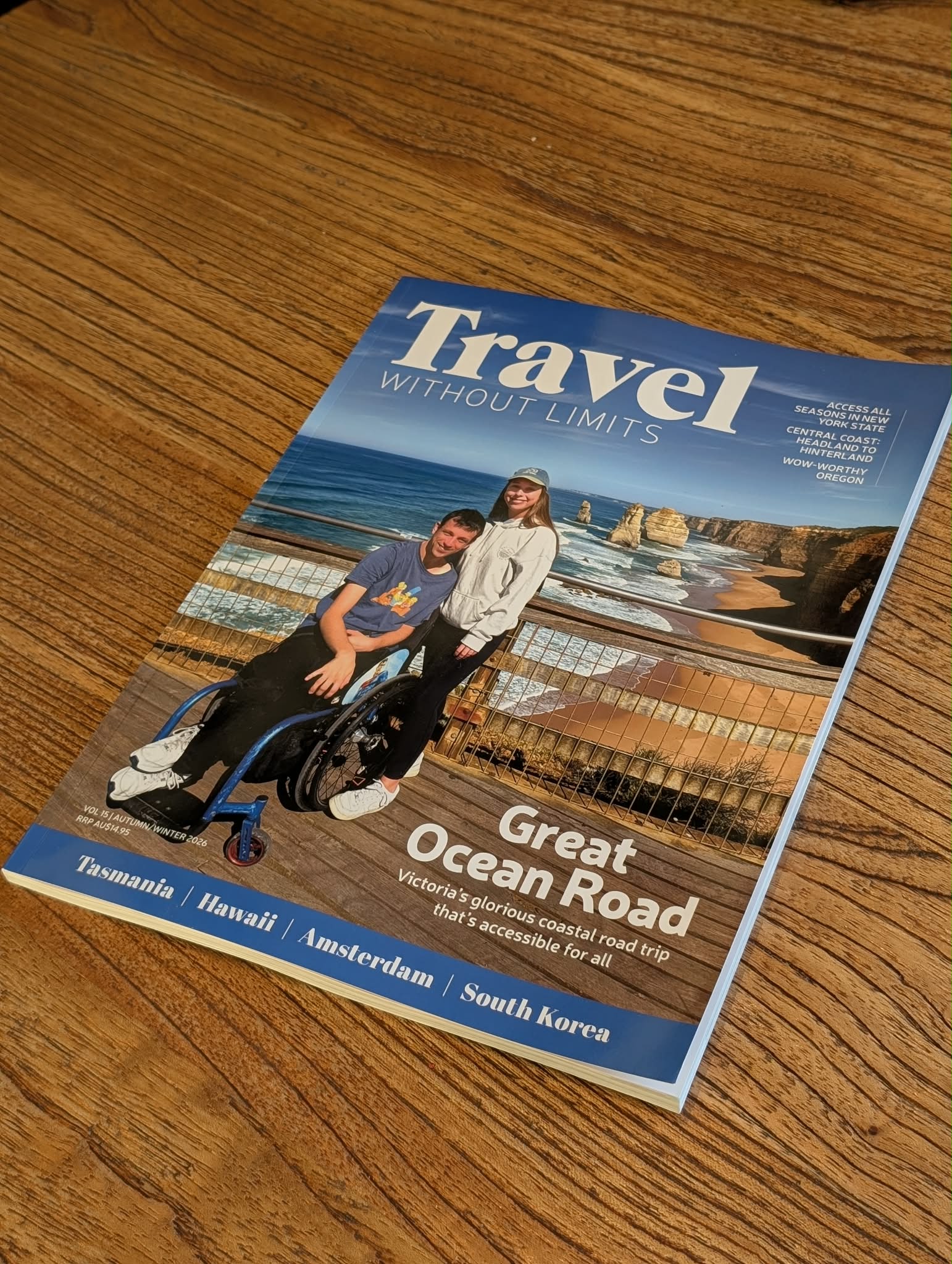
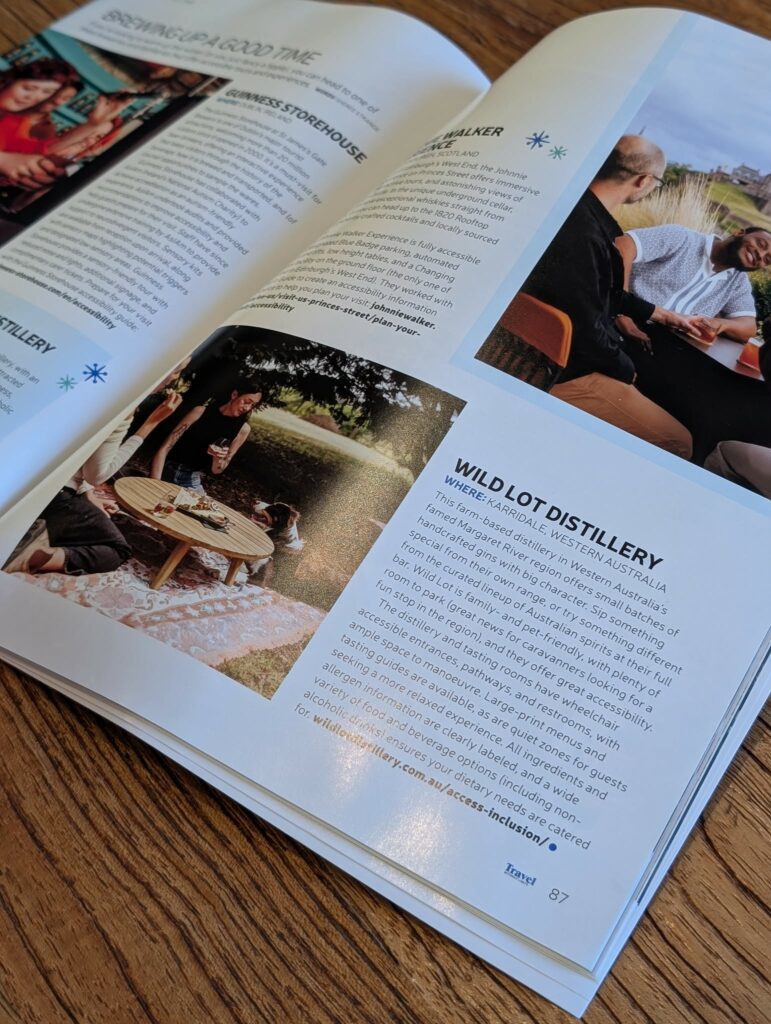
Recently, that conversation was recognised nationally through ‘Travel Without Limits‘ — a publication focused on accessible and inclusive travel experiences across Australia and around the world.
It honestly meant a lot.
Not because we feel like we’ve “nailed” accessibility, but because it reminded me that inclusion doesn’t always begin with massive infrastructure projects or polished corporate policies. Sometimes it starts with simply thinking a little further ahead for people.
UNCERTAINTY AS A BARRIER
I think one of the things regional tourism can unintentionally overlook is how stressful the unknown can feel.
Questions like:
- Will I physically be able to access the venue?
- Is there somewhere quieter to sit?
- Can I bring kids comfortably?
- What if I need assistance?
- Will I feel awkward asking questions?
- Is there space to move around?
- Will staff be understanding?
Sometimes the biggest barrier isn’t actually a staircase or a doorway — it’s not knowing what to expect before arriving. That’s something I’ve become increasingly aware of. And honestly, the more people you talk to, the more you realise accessibility benefits a much wider group than we often think.
Parents with prams.
Older visitors.
People recovering from injuries.
Neurodivergent guests.
Carers.
People with anxiety.
Visitors travelling with assistance animals.
People who simply prefer quieter, slower-paced environments.
Good hospitality should make more people feel comfortable — not less.
WHAT WE’RE TRYING
We’ve tried to approach things thoughtfully and realistically. That means being transparent about our space online, including the parts that aren’t perfect. It means communicating clearly, being flexible where we can, and making sure people feel comfortable reaching out before visiting.
A few simple things we’ve implemented include:
- accessibility and venue information on our website
- flexible seating options
- quieter outdoor spaces
- large print menus available on request
- family-friendly spaces with room to move
- support for assistance animals
- staff awareness around differing visitor needs
Some of these are small things. But small things can make a big difference to whether someone feels welcome or not. One thing I’ve come to appreciate about regional spaces is that they can actually offer advantages too. There’s room to breathe here. Room for kids to explore. Space between tables. Less noise. Less rush. A slower pace.
For some visitors, that environment can feel far more comfortable than a busy, crowded venue.
Accessibility forms part of our broader commitment to responsible tourism. In 2025, Wild Lot Distillery was officially accredited under the Quality Tourism Framework for Sustainable Tourism, recognising our ongoing efforts across environmental responsibility, community engagement and visitor experiences. Learn more about our Sustainable Tourism Accreditation.
WE’RE STILL LEARNING
Accessibility and inclusion aren’t really a finished checklist. And as a tiny family-run business, we’re learning as we go.
Sometimes it’s through conversations with visitors.
Sometimes it’s feedback.
Sometimes it’s simply stopping to think differently about how someone else might experience the space.
I don’t think businesses need to pretend they have everything figured out. But I do think regional tourism benefits when more venues are willing to have the conversation. Because everyone deserves the chance to enjoy good food, good drinks, beautiful places and meaningful experiences — regardless of age, ability or circumstance.
And if we can keep improving the experience for more people over time, then that feels worth doing.
If you ever have questions before visiting Wild Lot Distillery, please feel free to get in touch. We’re always happy to chat and help where we can. Contact us at sip@wildlotdistillery.com.au
View our Accessibility Guide HERE – Wild Lot Distillery an accredited Accessible & Sustainable Tourism Business